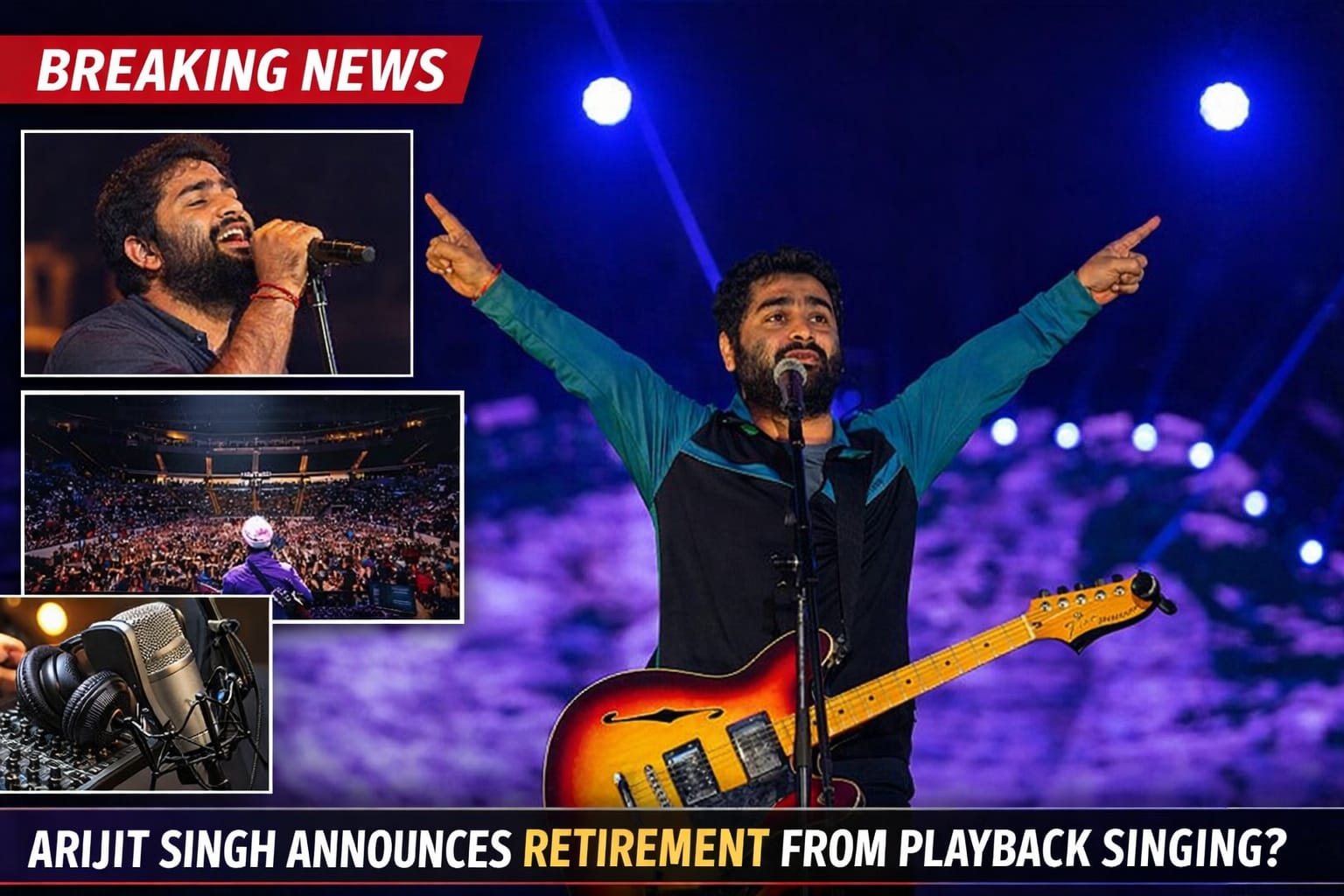
Why Arijit Singh Announces Retirement From Playback Singing | Full Reason Explained
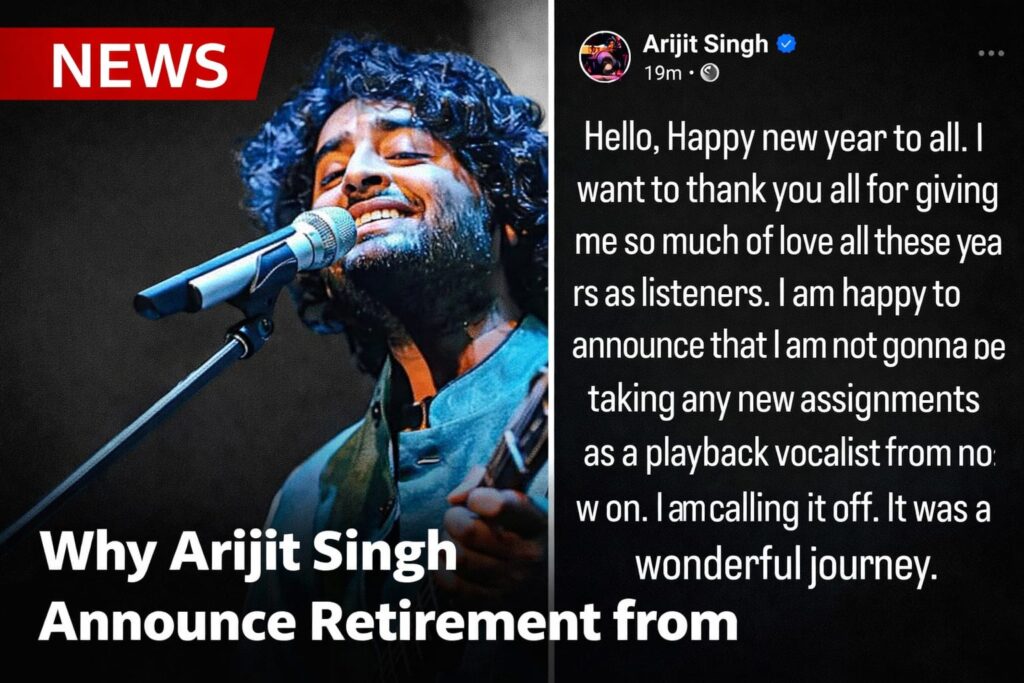
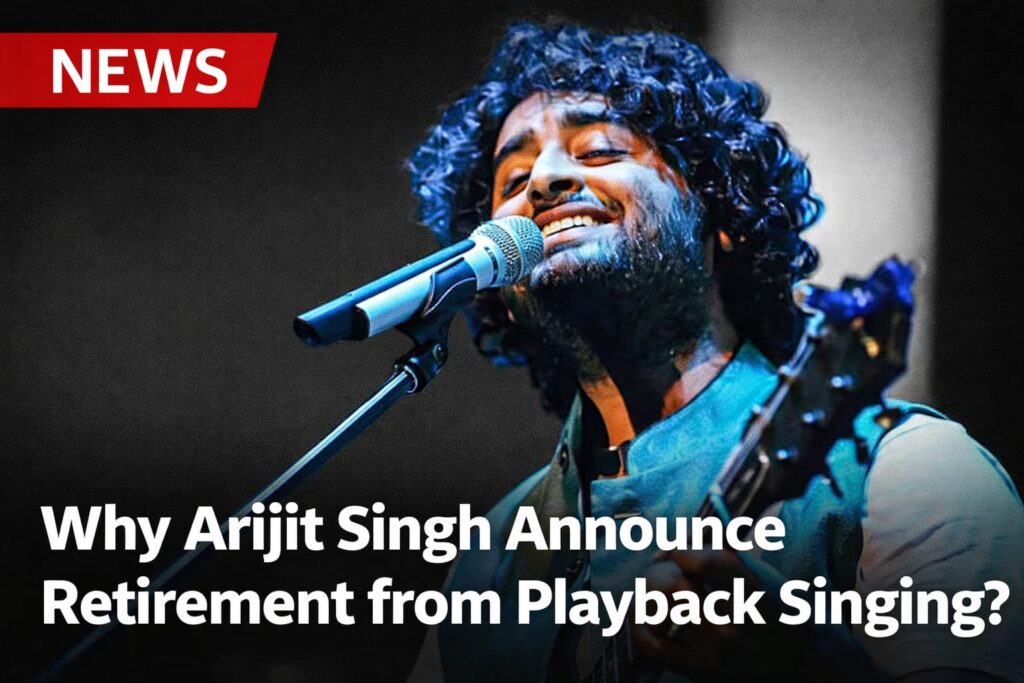
On the evening of January 27, 2026, the digital heartbeat of India’s music lovers skipped a beat. Arijit Singh, the voice that had become the soulful background score to an entire generation’s emotions, posted a simple, heartfelt note on Instagram. It was not a dramatic press conference nor a cryptic teaser, but a direct, gracious message to his listeners. The core declaration was unambiguous: he was stepping away from playback singing.
The internet, accustomed to his voice streaming from every possible platform, descended into a collective state of disbelief. Memes of shock, threads of gratitude, and waves of “why” flooded social media. Yet, within the succinct note lay a crucial distinction that would become the key to understanding this seismic shift. This article delves deep into why Arijit Singh announces retirement from playback singing and unravels the nuanced Arijit Singh retirement reason that goes beyond mere fatigue.
Table of Contents
Decoding the Statement: Playback vs. Music
The most critical line in Arijit’s announcement, often overlooked in the initial shock, was his clarification: “Just to be clear that I won’t stop making music.” This single sentence separates his decision from a final farewell and reframes it as a strategic, creative pivot.
- Playback Singing (What he’s leaving): A specific, industry-driven role. It involves interpreting a composer’s vision for a film character, adhering to tight deadlines, participating in promotional cycles, and often working within commercial constraints. It is a service to a larger cinematic project.
- Making Music (What he’s keeping): A broader, self-directed artistic pursuit. This encompasses composition, production, independent albums, experimentation with genres, live performances on his own terms, and purely personal artistic expression.
By drawing this line, Arijit Singh isn’t retiring from his art; he’s retiring from the framework that has defined his public art for over a decade.
Singer Abhijit Majumdar Passes Away: Ollywood’s Hit Machine Falls Silent Forever
The Core “Arijit Singh Retirement Reason”: A Search for Artistic Purity
To understand the fundamental Arijit Singh retirement reason, one must look at his journey through the lens of an artist, not just a superstar. The decision appears to be a confluence of several factors rooted in creative integrity.
1. The Quest for Creative Autonomy:
After recording over 500 songs for films, the cycle of receiving a tune, interpreting it, and delivering it within a set narrative can become creatively limiting. Arijit has often described himself as a “student of music.” His retirement from playback likely stems from a desire to move from being an interpreter to becoming a creator, to explore soundscapes without the boundary of a three-minute film script.
2. Saturation and the Burden of Ubiquity:
When a voice becomes omnipresent, there’s a risk of the artist feeling typecast. Every love ballad came with the expectation of an “Arijit Singh-type” song. Stepping back is a radical method of breaking that mold, both for himself and for the industry, preserving the sanctity and surprise of artistry.
3. The Need for Simplicity and Silence:
Contrary to the glamorous image of stardom, Arijit Singh has been famously private and averse to celebrity culture. The massive machinery of Bollywood playback—with its constant demand, scrutiny, and noise—stands in stark contrast to his personality. This retirement can be seen as a reclaiming of silence, space, and a simpler connection to music.
4. Avoiding Artistic Repetition:
In his social media reflections, a theme of continuous learning emerges. The Arijit Singh retirement reason seems deeply connected to preventing self-repetition. By exiting the mainstream playback scene at its peak, he avoids the potential decline of formulaic work and ensures his legacy remains untarnished by creative stagnation.
The Anatomy of Playback: Understanding the Burnout Few See
The life of a top playback singer is far from the glamour perceived by the public. The decision of why Arijit Singh announces retirement from playback singing becomes clearer when we dissect the pressures:
| Pressure Point | Description | Impact on Artist |
|---|---|---|
| Relentless Deadlines | Songs are often needed urgently for film edits, leading to back-to-back, all-night studio sessions. | Physical exhaustion, limited time for vocal care or creative reflection. |
| Creative Compromise | The final say rests with the composer and director. The singer’s personal interpretation may be overridden for commercial appeal. | Feelings of being an instrument rather than an artist. |
| Promotional Marathon | Success ties the singer to countless interviews, award shows, and promotional events. | Drains time and energy away from actual music creation. |
| Typecasting | Success with a particular genre (e.g., romantic ballads) leads to a flood of similar offers. | Limits artistic growth and exploration of other skills. |
| Public & Industry Scrutiny | Every release is compared to previous hits, and box office performance is unfairly linked to the song’s quality. | Creates a high-pressure environment of constant judgment. |
This ecosystem, while rewarding, can gradually distance an artist from the pure, personal joy of music-making—a joy Arijit Singh is now seeking to reclaim.
A Timeline of a Reluctant Superstar: From Fame Gurukul to Farewell
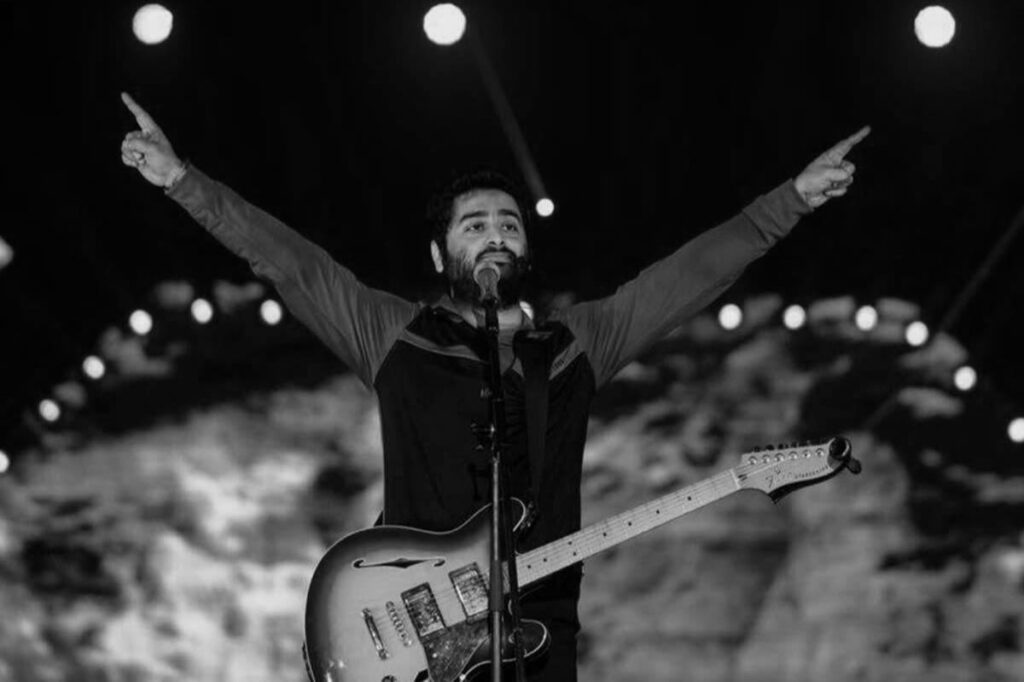
Arijit’s journey has been one of raw talent triumphing over industry games, which makes his conscious exit all the more poignant.
| Year | Milestone | Significance |
|---|---|---|
| 2005 | Contestant on Fame Gurukul | Raw talent spotted, but industry entry was not immediate. |
| 2011 | Breakthrough with “Phir Mohabbat” (Murder 2) | The haunting voice arrived, but stardom was not instant. |
| 2013 | “Tum Hi Ho” (Aashiqui 2) | A cultural reset. The voice became the anthem of a generation. |
| 2014-2019 | Era of Dominance | Unprecedented reign; became the first-call singer for emotion. |
| 2020s | The Composer Emerges | Began producing and composing for films & independents (e.g., Satyameva Jayate 2). |
| 2025 | Honoured with the Padma Shri | State recognition for contributions to Indian music. |
| Jan 27, 2026 | Announces retirement from playback singing | A self-aware, controlled close to a monumental chapter. |
The Weight of a Legacy: By the Numbers
The void Arijit Singh leaves is quantifiable, underscoring the magnitude of his decision.
| Metric | Figure | Context |
|---|---|---|
| Film Songs Recorded | 500+ | A vast repository defining 2010s & 2020s Bollywood sound. |
| Languages Sung In | 10+ | Hindi, Bengali, Tamil, Telugu, Kannada, Marathi, etc. |
| National Film Awards | 2 | For “Tum Hi Ho” (2013) and “Binte Dil” (2018). |
| Filmfare Awards | 7+ | Dominated the Best Male Playback Singer category. |
| Global Streaming Records | Billions | Consistently among India’s most-streamed artists on platforms. |
| Songs with 1B+ YouTube Views | 10+ | “Kesariya,” “Channa Mereya,” “Agar Tum Saath Ho,” etc. |
Impact on Bollywood: The Void and the Opportunity
The immediate question for the industry is pragmatic: who fills the Arijit-shaped space? The long-term impact, however, is more transformative.
Immediate Impact:
- Vacuum for Music Directors: Composers like Pritam, Mithoon, and A.R. Rahman often relied on Arijit to deliver the emotional heft of their biggest ballads.
- Scramble for “The Next Arijit”: A futile but inevitable industry reaction. The search will intensify for a voice with similar emotional connectivity.
Long-Term, Positive Shifts:
- Diversification of Voices: No single voice will dominate, leading to more opportunities for versatile singers like Jubin Nautiyal, Armaan Malik, and newcomers.
- Return of Vocal Texture: Focus may shift back to unique, characterful voices rather than a single, reliable template.
- Strength for Independents: Arijit’s move validates independent music as a serious, respectable path for top-tier talent.
Fan Psychology: From Shock to Respectful Acceptance
The fan reaction was a fascinating study in mature fandom. The initial shock—”a Virat Kohli Test retirement-level shock”—quickly evolved.
- Phase 1: Shock & Denial: “This must be a promotional stunt!” / “Hack?”
- Phase 2: Grief & Nostalgia: Sharing favorite song lists, memorable concert clips.
- Phase 3: Understanding & Support: The dominant phase. Fans decoded his note, respected his need for growth, and expressed gratitude. The sentiment was, “Thank you for the music, good luck on your journey.”
This transition reflects a fanbase that values the artist’s well-being over their own consumption—a rare and beautiful dynamic.
Comparative Analysis: How Arijit’s Exit Differs From Legends of the Past?
| Legend | Nature of Exit | Key Driver | Similarity/Difference to Arijit |
|---|---|---|---|
| Kishore Kumar | Unplanned, gradual fade in the late 80s. | Changing musical trends, industry politics. | Different: Arijit’s is a planned, proactive exit at his peak. |
| Lata Mangeshkar & Asha Bhosle | Gradual slowing down over decades. | Age, natural conclusion of an endless career. | Different: Arijit is stepping away in his prime, not due to dwindling capacity. |
| Sonu Nigam | “Semi-retirement” announcements, continued selective work. | Protest against industry practices, desire for freedom. | Similar: A parallel in seeking artistic freedom. Different: Arijit’s statement is more absolute and final regarding new playback work. |
| Mohammed Rafi | Active until his sudden demise. | N/A | Different: Arijit is consciously choosing a post-playback life. |
Conclusion: Arijit Singh’s decision is modern and self-possessed. It’s a voluntary, philosophical retreat from a specific role, not a forced or gradual fade-out.
What “Not Retiring From Music” Really Means: The Path Ahead
So, what will Arijit Singh do? His future is likely more musically rich, albeit less publicly visible.
- Independent Albums: Full-length projects exploring concepts, genres (like his earlier Sukoon).
- Composition & Production: Expanding his work behind the scenes for films and other artists.
- Live Performances (Curated): Concerts focused on his original music and personal favorites, not just film hits.
- Collaborations: Working with international artists or indie musicians without commercial pressures.
- Mentorship & Discovery: Using his expertise to guide new talent through his studio or label.
Industry Reactions: What Music Directors and Peers Are Saying?
The industry response has been one of respect and slight bewilderment.
- Pritam (Composer): “It’s a personal decision we must respect. An era ends. But the musician in him will keep creating, I know that.”
- Mithoon (Composer): “He gave us so much. If this is what he needs for his soul, we give him our blessings. The door is always open.”
- Shreya Ghoshal (Singer): “Arijit’s contribution is immortal. Wishing him all the joy in this new chapter of pure musical exploration.”
The overarching theme is loss tempered with profound respect for his artistic choice.
The Pending Promise: Songs We Will Still Hear
Arijit confirmed he will complete “pending playback commitments.” This means a final wave of film songs is already in the pipeline, offering fans a gradual, cherished farewell. These releases will now be heard with a new layer of poignancy, as the last of their kind.
Frequently Asked Questions (FAQ):
Q1: Has Arijit Singh retired from all singing?
A: No. He has retired only from taking new playback singing assignments for films. He will continue to sing in his independent projects.
Q2: What is the main Arijit Singh retirement reason?
A: The primary reason appears to be a quest for creative freedom and artistic growth. He is moving away from the commercial constraints of playback to explore music on his own terms.
Q3: Will he ever come back to playback?
A: He has not closed the door permanently but has stated he has no plans to resume. His current focus is on independent music.
Q4: How does this affect upcoming Bollywood movies?
A: Music directors will now rely on a wider array of voices, potentially leading to more diverse soundtracks. The emotional “safe bet” of an Arijit Singh ballad is no longer an option.
Q5: Why did he announce this so suddenly?
A: The decision seems deeply personal and reflective. For an artist of his stature, a simple, direct announcement to his fans was likely the most authentic way, avoiding media speculation.
Conclusion: Not an End, But a Rebirth
Why Arijit Singh announces retirement from playback singing is not a story of exhaustion but of evolution. It is the decision of an artist who has given his all to one form and now courageously seeks another. The Arijit Singh retirement reason is rooted in the purest of artistic impulses: the need to grow, to learn, and to own one’s voice in the most literal sense.
He isn’t silencing his voice; he is removing the filters. For over a decade, we heard Arijit Singh through the prism of characters and stories. Now, we might finally get to hear the unadulterated music of Arijit Singh himself. In an age of relentless output, his selective silence is perhaps his most powerful composition yet—a rest note that makes the preceding melody all the more eternal. The playback singer has signed off. The musician is just getting started.
About the Author