Abdul Samad Rabiu: From Industrial Powerhouse to Africa’s Emerging Philanthropic Titan
Abdul Samad Rabiu Net Worth, BUA Group Growth, CSR Strategy & ASR Africa Explained (2026)
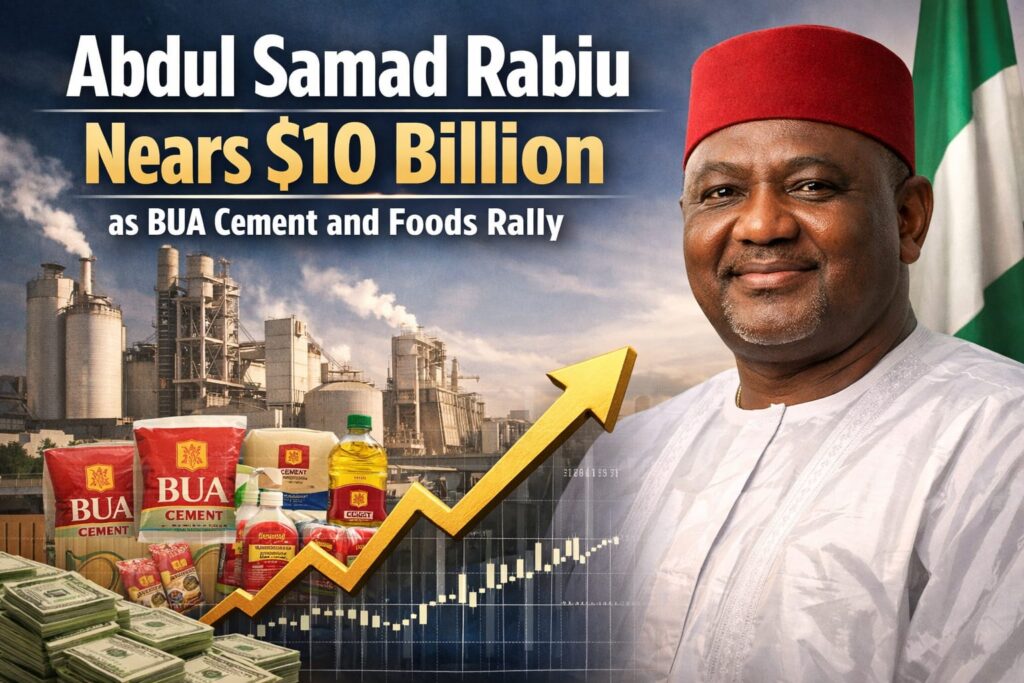
Abdul Samad Rabiu has quietly but decisively become one of the most influential business figures in Africa. In early 2026, the Nigerian billionaire stands on the brink of the $10 billion net-worth milestone, driven by a historic rally in BUA Cement and BUA Foods shares, even after approving a rare $20.7 million staff reward package.
Who Is Abdul Samad Rabiu?
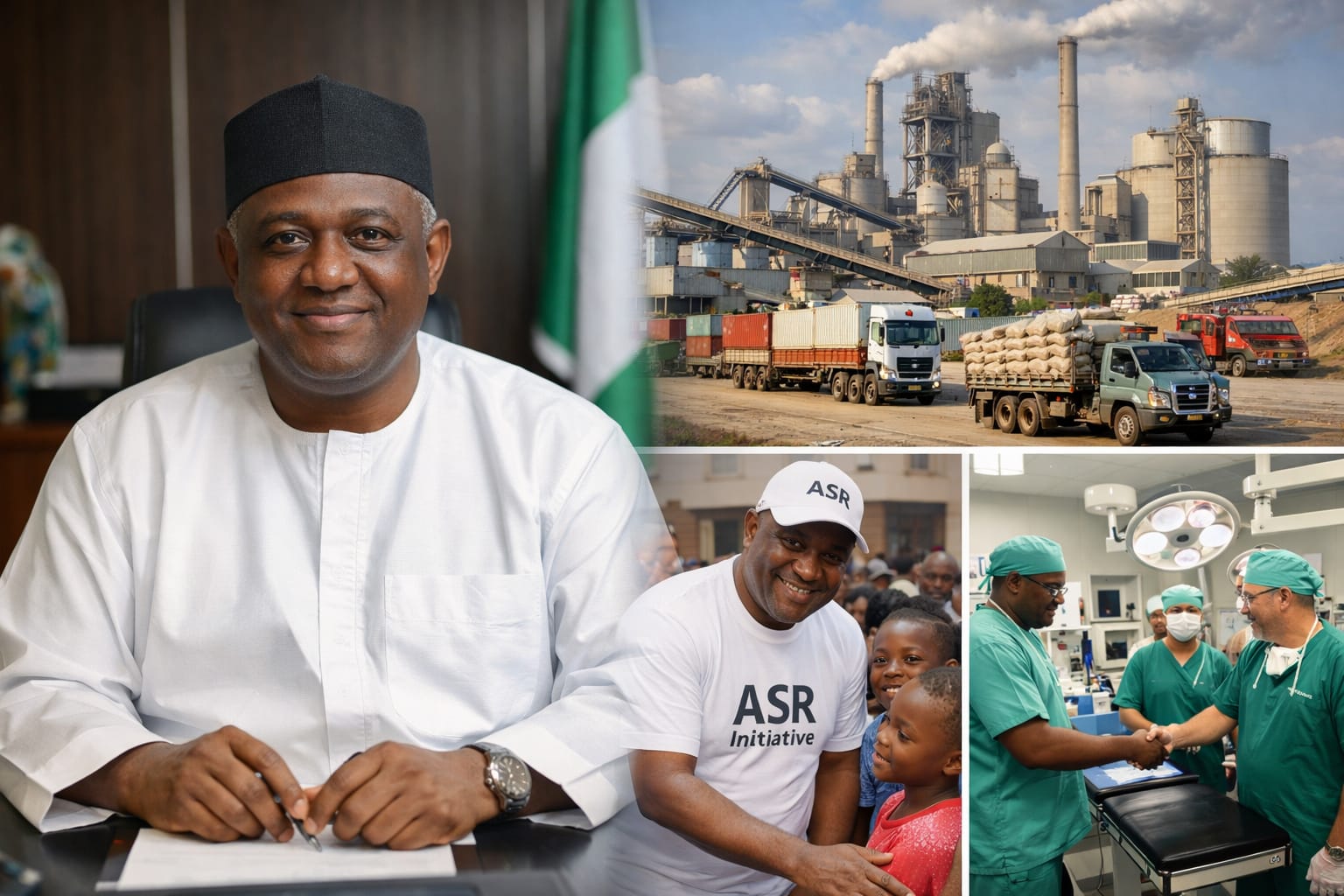
Abdul Samad Rabiu CFR, CON is the Founder and Executive Chairman of BUA Group, one of Nigeria’s largest and most diversified industrial conglomerates. Known for his low-profile leadership and methodical expansion, Rabiu built his empire across cement manufacturing, food processing, sugar refining, ports, and infrastructure.
Unlike more flamboyant African billionaires, Rabiu focused on scale, reinvestment, and long-term capacity building — a strategy that has paid off handsomely.
Abdul Samad Rabiu Net Worth in 2026:
As of January 2026, Abdul Samad Rabiu’s net worth is estimated at approximately $9.7 billion, placing him within striking distance of joining Africa’s exclusive $10 billion club.
Net Worth Growth Timeline –
| Year | Estimated Net Worth |
|---|---|
| 2020 | $3.6 billion |
| 2023 | $4.9 billion |
| Jan 2025 | $5.1 billion |
| Dec 2025 | $9.5 billion |
| Jan 2026 | $9.7 billion |
Key Drivers of Growth:
- Surge in BUA Cement share price
- Strong rally in BUA Foods stock
- Expansion in food processing and cement demand
- Improved operating margins
BUA Group: The Engine Behind Rabiu’s Fortune
Founded in 1988 as a commodity trading company, BUA Group has evolved into a pan-African industrial giant.
Key Sectors of BUA Group –
| Sector | Major Operations |
| Cement | BUA Cement, CCNN |
| Food Processing | Sugar, flour, pasta, rice, edible oils |
| Infrastructure | Ports, terminals, logistics |
| Real Estate | Industrial & commercial projects |
| Agriculture | Backward integration initiatives |
BUA Group’s strategy emphasizes local production, import substitution, and scale — particularly in sectors governments classify as “strategic.”
BUA Cement: Backbone of Industrial Expansion
BUA Cement is Nigeria’s second-largest cement producer, with annual capacity exceeding 11 million tonnes.
BUA Cement Snapshot –
| Metric | Value |
| Annual Capacity | 11+ million tonnes |
| Market Position | #2 in Nigeria |
| Rabiu’s Stake | 97.66% |
| Stake Value | ~$4.1 billion |
| Share Price Growth (YoY) | ~96% |
Large-scale plants in Sokoto and Edo states transformed regional supply chains, employment, and pricing dynamics.
BUA Foods: The Real Wealth Multiplier
BUA Foods has emerged as the largest contributor to Abdul Samad Rabiu’s net worth.
BUA Foods Performance Highlights –
| Indicator | Value |
| Rabiu’s Ownership | 92.63% |
| Stake Value | ~$9.28 billion |
| Revenue (9M 2025) | N1.42 trillion |
| Profit (9M 2025) | N405.2 billion |
| Share Price Growth (YoY) | ~92.5% |
The company dominates sugar refining, flour milling, pasta, rice, and edible oils — critical food categories in Nigeria’s inflation-sensitive economy.
Graph: Share Price Performance (2024–2026)
Description for Publishers:
- BUA Cement: Steady upward trend, sharp rally post-2024
- BUA Foods: Faster acceleration, higher volatility
- Combined impact on Rabiu’s wealth trajectory
The $20.7 Million Staff Reward That Made Headlines:
In late 2025, BUA Group approved a N30 billion ($20.7 million) cash award for long-serving employees — an unprecedented move in Nigerian corporate history.
Staff Reward Breakdown –
| Category | Award Amount |
| 5 Employees | N1 billion each |
| 5 Employees | N500 million each |
| Mid-level Staff | N100 million |
| Others | N5m–N20m |
The gesture reinforced Rabiu’s belief that workers are stakeholders in growth, not just costs.
How Abdul Samad Rabiu Is Redefining Corporate Social Responsibility?
Rabiu’s most ambitious social intervention is the Abdul Samad Rabiu Africa (ASR Africa) Initiative — a $100 million annual commitment focused on sustainable development.
ASR Africa Focus Areas –
| Sector | Objectives |
| Health | Hospitals, disease prevention |
| Education | Schools, scholarships |
| Social Development | Poverty reduction |
| Infrastructure | Community-level projects |
Unlike traditional philanthropy, ASR Africa emphasizes institutional partnerships, sustainability, and accountability.
Business Success Meets Development Strategy:
Rabiu understands a core reality of African markets: industrial success cannot outlast social collapse.
- Weak healthcare undermines workforce productivity
- Poor education limits skilled labour
- Infrastructure gaps raise operating costs
ASR Africa complements BUA Group’s long-term interests by strengthening the ecosystems that sustain industry.
Comparison: Rabiu vs Other African Billionaires
| Billionaire | Sector | Public Profile | CSR Approach |
| Abdul Samad Rabiu | Cement, Food | Low-profile | Institutional philanthropy |
| Aliko Dangote | Cement, Energy | High visibility | Foundation-led CSR |
| Patrice Motsepe | Mining | Moderate | Sports & education focus |
Rabiu’s defining trait is scale without spectacle.
Criticisms & Accountability Questions:
Large-scale philanthropy raises legitimate concerns:
- Who sets development priorities?
- How is impact measured?
- Does private capital replace public responsibility?
ASR Africa’s long-term credibility will depend on governance, transparency, and results — not announcements.
FAQs About Abdul Samad Rabiu:
❓ What is Abdul Samad Rabiu’s net worth in 2026?
Approximately $9.7 billion.
❓ What companies does Abdul Samad Rabiu own?
BUA Group, BUA Cement, BUA Foods.
❓ What is ASR Africa?
A $100 million-per-year development initiative focused on health, education, and social impact.
❓ How does Rabiu differ from other billionaires?
He prioritizes long-term capacity, low-profile leadership, and institutional philanthropy.
Final Analysis: Legacy in the Making
Abdul Samad Rabiu stands at a defining moment. His industrial success reshaped Nigeria’s cement and food sectors. His philanthropy now aims to shape Africa’s social future.
Whether ASR Africa becomes a durable development model or a footnote will depend on discipline, governance, and measurable outcomes. What is clear is that Rabiu has moved beyond factory gates and balance sheets into the broader conversation about Africa’s future.
Who Is Nicolas Maduro? From Bus Driver to Venezuelan President
About the Author