From Bus Driver to Venezuela’s President Nicolas Maduro
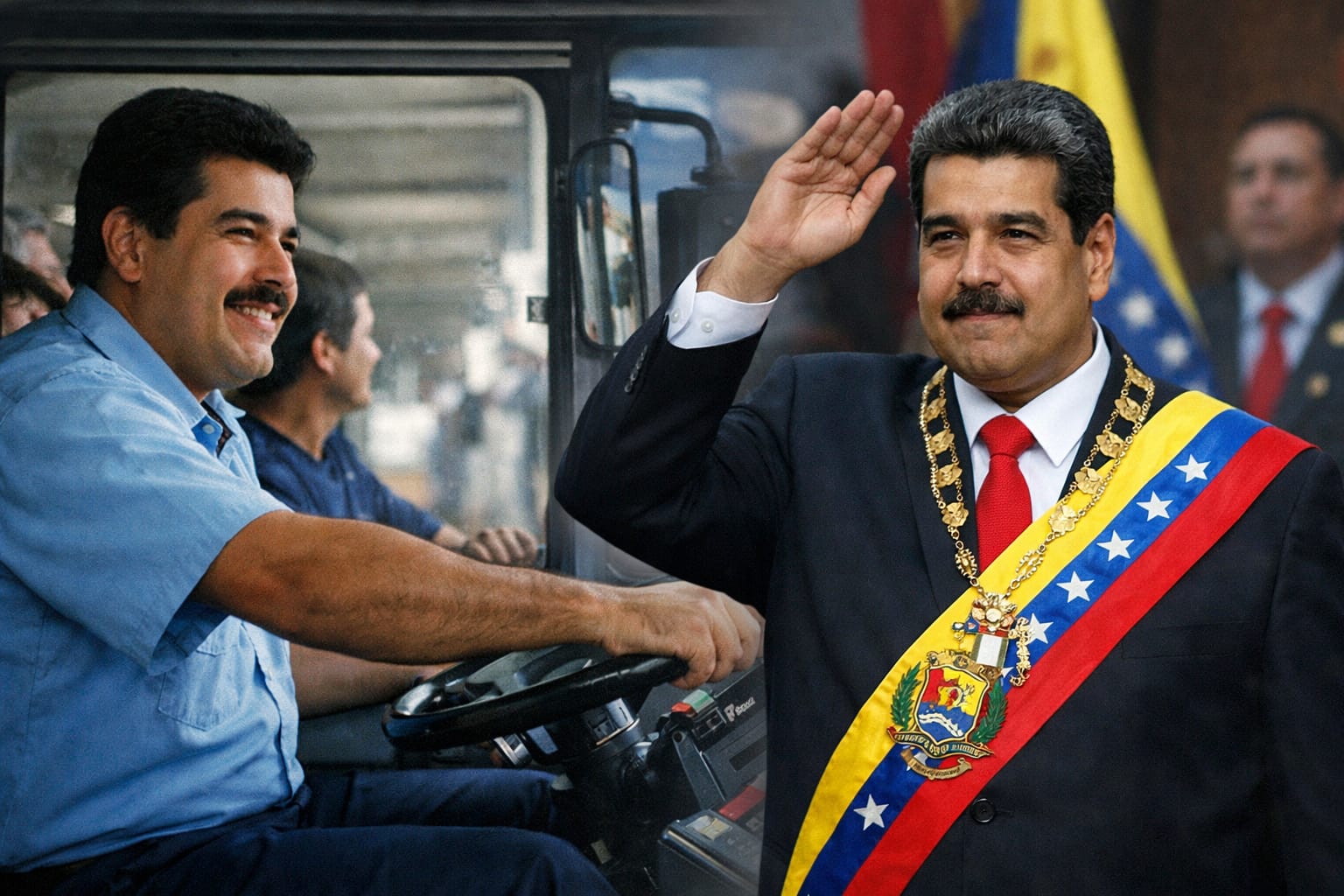
The story of From Bus Driver to Venezuela’s President Nicolas Maduro is one of the most unusual political journeys in modern world history. Few national leaders have risen from such modest beginnings to wield immense power at the center of a global geopolitical standoff.
Nicolas Maduro’s transformation from a public bus driver and trade union activist to the most powerful man in Venezuela is deeply tied to the legacy of Hugo Chávez, the collapse of Venezuela’s economy, and years of confrontation with the United States and its allies. His presidency has overseen historic hyperinflation, mass migration, international sanctions, and repeated allegations of authoritarianism.
This article explains—step by step—how Nicolas Maduro rose to power, how he governs, and why his leadership continues to divide Venezuela and the world.
Who Is Nicolas Maduro? A Quick Overview
| Attribute | Details |
|---|---|
| Full Name | Nicolás Maduro Moros |
| Born | November 23, 1962 |
| Birthplace | Caracas, Venezuela |
| Background | Bus driver, trade unionist |
| Political Party | United Socialist Party of Venezuela (PSUV) |
| Presidency Began | 2013 |
| Predecessor | Hugo Chávez |
| Ideology | Socialist, Bolivarianism |
| Global Status | Sanctioned by US, EU, others |
Early Life: The Bus Driver Who Would Lead a Nation
To understand From Bus Driver to Venezuela’s President Nicolas Maduro, it is essential to begin with his working-class roots.
Maduro was born into a modest family in Caracas. His father was a labor activist, which exposed him early to union politics and left-wing ideology. Unlike many future leaders, Maduro did not attend elite institutions or military academies.
Life Behind the Wheel –
- Worked as a bus driver in the Caracas Metro system
- Became active in transport workers’ unions
- Developed strong organizational and grassroots political skills
This background later became central to his political identity, helping him present himself as a leader “of the people, not the elite.”
Political Awakening: Hugo Chávez and the Bolivarian Revolution:
The 1992 Coup Attempt That Changed His Path –
In 1992, army officer Hugo Chávez led a failed coup against Venezuela’s government. While Chávez was imprisoned, Maduro campaigned for his release and supported his political movement from the civilian side.
This alliance would define Maduro’s career.
Rise Within the Chávez Movement –
After Chávez won the presidency in 1998:
- Maduro entered the National Assembly
- Became President of the National Assembly
- Appointed Foreign Minister in 2006
As foreign minister, Maduro:
- Built alliances with Cuba, Russia, China, and Iran
- Became Chávez’s trusted international voice
- Gained global diplomatic exposure
Before his death, Chávez publicly named Maduro as his chosen successor, cementing his path to power.
Becoming President: Narrow Victory and Immediate Challenges
Following Chávez’s death in 2013, Venezuela held presidential elections.
2013 Election Results (Simplified) –
| Candidate | Vote Share |
|---|---|
| Nicolas Maduro | ~50.6% |
| Opposition Candidate | ~49.1% |
Maduro’s slim victory triggered protests and allegations of electoral irregularities. From his first day in office, his legitimacy was challenged—both domestically and internationally.
Governing Venezuela: Power, Policy, and Polarization
Economic Policy Under Maduro –
Maduro inherited an economy heavily dependent on oil revenue. Instead of reforming it, his government largely continued Chávez-era policies, including:
- Strict price controls
- Currency restrictions
- Expanded state control
When oil prices collapsed, Venezuela’s economy followed.
Venezuela’s Economic Collapse: By the Numbers
| Indicator | 2012 | 2018 | 2024 |
|---|---|---|---|
| Inflation | 20% | 130,000%+ | Triple-digit |
| Oil Output (bpd) | 2.5M | <1M | ~800k |
| Poverty Rate | ~30% | ~90% | ~85% |
Visual Graph: Venezuela GDP Decline (Index) –
GDP Index
100 |█████████████████
 80 |███████████
 60 |███████
 40 |████
 20 |██
   0|_
     2012   2015   2018   2021   2024
Sanctions and International Pressure:
The United States and European Union imposed sanctions on Maduro’s government, targeting:
- Oil exports
- Government officials
- State-owned enterprises
In 2020, U.S. prosecutors indicted Maduro on charges including corruption and drug trafficking—claims he strongly denies.
Human Rights and Protest Crackdowns:
A central part of the From Bus Driver to Venezuela’s President Nicolas Maduro narrative is the controversy surrounding civil liberties.
Protest Waves –
- 2014: Student-led demonstrations
- 2017: Nationwide protests against constitutional changes
- 2024: Post-election unrest
Security forces responded with arrests, tear gas, and military deployments. International organizations accused the government of excessive force and arbitrary detention.
Comparison: Nicolas Maduro vs Hugo Chávez
| Category | Hugo Chávez | Nicolas Maduro |
|---|---|---|
| Leadership Style | Charismatic | Administrative |
| Military Background | Yes | No |
| Economic Context | Oil boom | Oil collapse |
| Popular Support | Broad | Narrower |
| International Standing | Influential | Isolated |
Elections and Legitimacy: A Divided Nation
Maduro has won multiple elections since 2013, but many were boycotted or disputed by the opposition.
Supporters Argue:
- Elections are constitutional
- Opposition backed by foreign powers
- Sanctions worsened the crisis
Critics Argue:
- Elections lack transparency
- Opposition candidates barred
- Media tightly controlled
Why the World Watches Nicolas Maduro ?
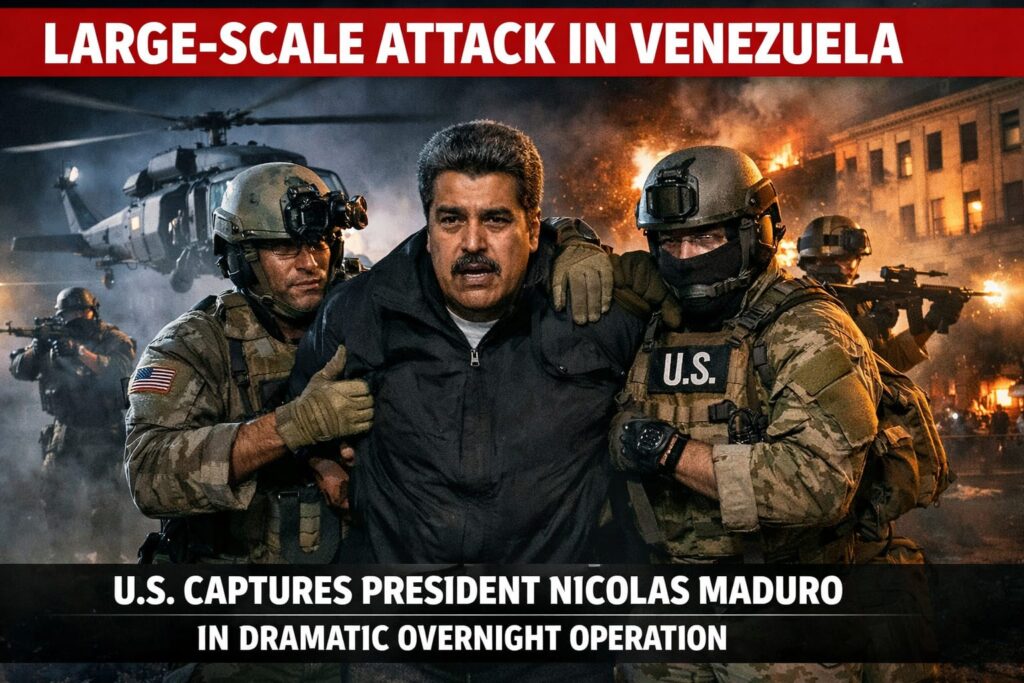
The phrase From Bus Driver to Venezuela’s President Nicolas Maduro continues to trend due to:
- US–Latin America tensions
- Oil geopolitics
- Migration crisis affecting the Americas
- Democracy vs authoritarianism debates
Frequently Asked Questions (Q&A):
Q1: From bus driver to president—how did Nicolas Maduro rise?
Nicolas Maduro rose through union activism, loyalty to Hugo Chávez, and gradual advancement within Venezuela’s political system.
Q2: How long has Nicolas Maduro been president?
He has been president since 2013, serving multiple contested terms.
Q3: Why is Maduro sanctioned?
Sanctions were imposed over alleged corruption, human rights abuses, and election irregularities.
Q4: Is Nicolas Maduro popular in Venezuela?
Support remains strong among core supporters but has declined significantly due to economic hardship.
Q5: What is Maduro’s ideology?
He follows Bolivarian socialism, inspired by Hugo Chávez.
Media Narratives: Hero or Villain?
| Supporters’ View | Critics’ View |
|---|---|
| Defender of sovereignty | Authoritarian ruler |
| Resists US pressure | Suppresses dissent |
| Protects social programs | Mismanaged economy |
Conclusion: A Leader Who Defines Venezuela’s Turbulent Era
The story of From Bus Driver to Venezuela’s President Nicolas Maduro is one of loyalty, opportunity, and controversy. His journey reflects the promise and peril of Venezuela’s Bolivarian revolution.
To some, Maduro is a symbol of resistance against foreign interference. To others, he represents the failures of centralized power and economic mismanagement. What is undeniable is his impact—on Venezuela, Latin America, and global politics.
As Venezuela’s future remains uncertain, Nicolas Maduro’s legacy will continue to shape debates on democracy, sovereignty, and leadership in the modern world.
About the Author