Khaleda Zia die
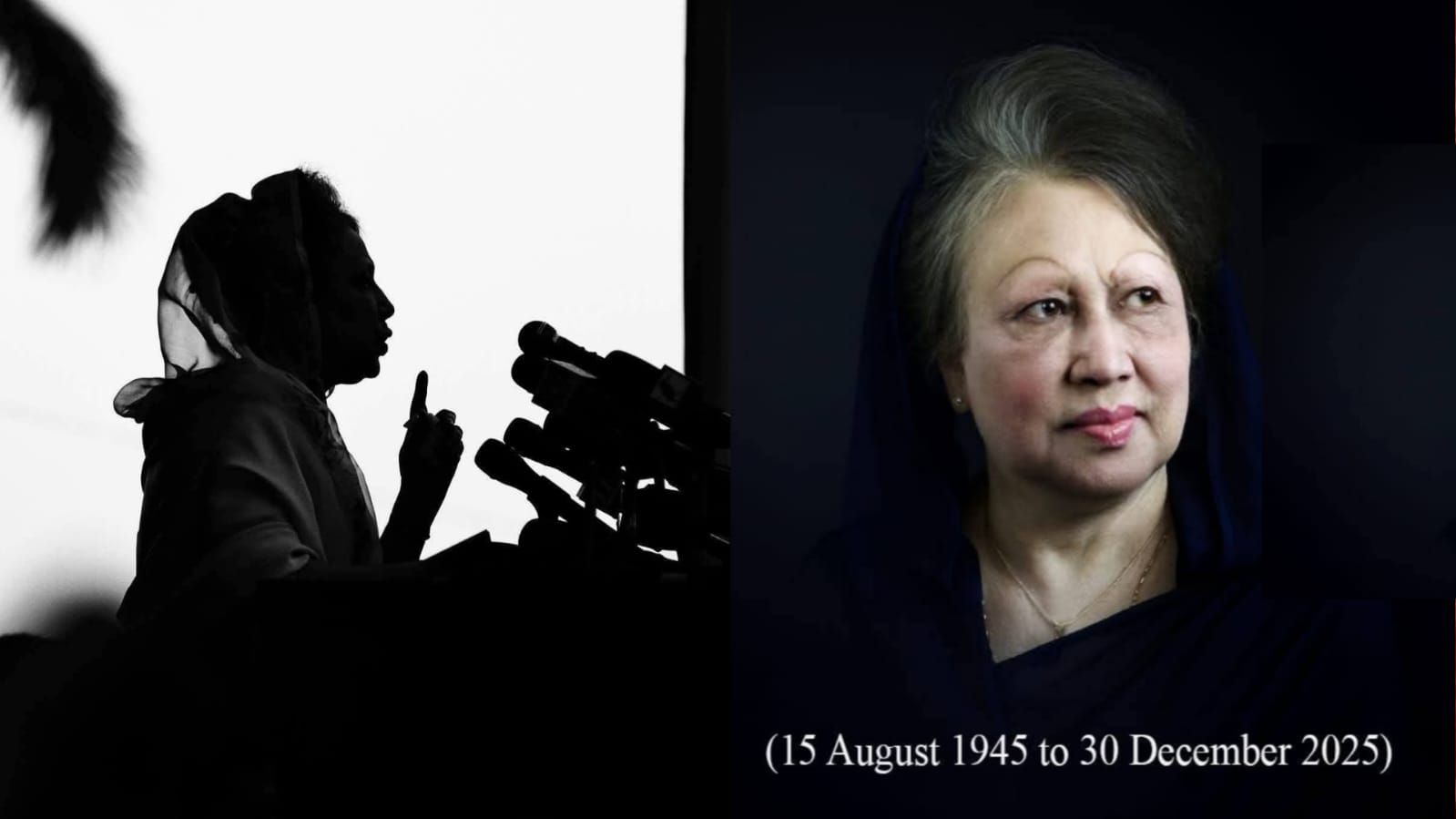
Bangladesh’s political landscape lost one of its most influential and polarising figures as Khaleda Zia, the country’s first female Prime Minister, passed away at the age of 80 after a prolonged illness. The news of Khaleda Zia die was confirmed early Tuesday morning by her party, the Bangladesh Nationalist Party (BNP).
Khaleda Zia’s death marks the end of an era that shaped Bangladesh’s modern political history for over three decades. Known for her fierce rivalry with Sheikh Hasina, her resilience amid imprisonment and illness, and her lasting influence within the BNP, Zia’s legacy remains deeply embedded in the nation’s democratic journey.
Khaleda Zia Death News: What Happened?
The BNP released an official statement confirming that Khaleda Zia died at 6:00 a.m. local time, shortly after the Fajr (dawn) prayer.
“The BNP Chairperson and former prime minister, national leader Begum Khaleda Zia, passed away today at 6.00 a.m. We pray for the forgiveness of her soul and request everyone to offer prayers for her departed soul,” the party said.
Doctors treating her had confirmed that Zia was suffering from advanced liver cirrhosis, along with diabetes, arthritis, heart complications, and respiratory issues. Her health had deteriorated significantly in recent months despite receiving treatment in the United Kingdom.
Who Is Khaleda Zia? A Political Biography
For readers searching who is Khaleda Zia, she was one of the most powerful women leaders in South Asia and a central figure in Bangladesh’s post-independence political evolution.
Early Life and Background –
Khaleda Zia was born on August 15, 1945, in Dinajpur (then part of British India). She rose to national prominence after marrying Ziaur Rahman, a decorated freedom fighter who later became President of Bangladesh.
Her life took a dramatic turn after Ziaur Rahman was assassinated in a failed military coup in 1981.
From Widow to Political Leader –
After her husband’s assassination, Khaleda Zia entered politics at a time when Bangladesh was under military rule.
She gradually emerged as a key opposition leader and played a vital role in mobilising public resistance against military dictator H.M. Ershad. Her leadership was instrumental in the 1990 mass uprising, which restored democracy to Bangladesh.
Khaleda Zia as Prime Minister: Terms and Achievements
Khaleda Zia served as Prime Minister of Bangladesh twice, making history as the country’s first woman to hold the office.
Khaleda Zia’s Prime Ministerial Terms –
| Term | Period | Key Highlights |
|---|---|---|
| First Term | 1991–1996 | Restoration of parliamentary democracy |
| Second Term | 2001–2006 | Economic liberalisation, infrastructure growth |
Her 1991 victory came after Bangladesh returned to parliamentary democracy, a transition widely credited to her leadership.
Rivalry That Defined a Nation: Khaleda Zia vs Sheikh Hasina –
No discussion of who is Khaleda Zia is complete without mentioning her legendary rivalry with Sheikh Hasina, daughter of Bangladesh’s founding leader Sheikh Mujibur Rahman.
Their political battle dominated Bangladesh’s politics for decades and is often referred to as the “Battle of the Begums.”
Key Differences Between the Two Leaders –
| Aspect | Khaleda Zia | Sheikh Hasina |
|---|---|---|
| Party | Bangladesh Nationalist Party (BNP) | Awami League |
| Ideology | Centre-right | Centre-left |
| Leadership Style | Nationalist, conservative | Secular, progressive |
| Political Era | 1991–2006 | 1996–2001, 2009–2024 |
This rivalry shaped elections, policies, and public discourse for a generation.
Legal Battles and Imprisonment:
In her later years, Khaleda Zia faced multiple corruption cases, which she consistently described as politically motivated.
She spent several years in jail and under house arrest, particularly after 2018. However, in January 2025, Bangladesh’s Supreme Court acquitted her in the final corruption case, effectively clearing her political record.
This acquittal reignited speculation about her possible return to active politics before her health worsened.
Khaleda Zia’s Health Struggles:
Zia’s declining health became a major political issue in Bangladesh.
Major Health Conditions –
- Advanced liver cirrhosis
- Diabetes
- Arthritis
- Heart complications
- Respiratory illness
After repeated denials, she was finally allowed to travel abroad for treatment in early 2025. She returned to Bangladesh in May after months of medical care in the UK.
Return to Bangladesh and Final Days:
Khaleda Zia returned home amid emotional scenes, with supporters lining the streets to welcome her.
Despite her fragile health, she remained symbolically influential within the BNP. Her son, Tarique Rahman, visited her during her final hospitalisation and had recently returned to Bangladesh after nearly 17 years in self-imposed exile.
Political Impact After Khaleda Zia’s Death:
The news that Khaleda Zia die comes at a crucial moment for Bangladesh, with parliamentary elections scheduled for February 2026.
BNP’s Position Post-Zia:
- BNP remains a major political force
- Tarique Rahman is widely viewed as the party’s future leader
- Public sympathy following her death may influence voter sentiment
Analysts believe Khaleda Zia’s death could consolidate BNP support ahead of the elections.
Khaleda Zia Timeline: Key Life Events
| Year | Event |
|---|---|
| 1945 | Born in Dinajpur |
| 1971 | Husband Ziaur Rahman emerges as war hero |
| 1981 | Ziaur Rahman assassinated |
| 1990 | Fall of military rule |
| 1991 | Becomes Prime Minister |
| 2001 | Returns as Prime Minister |
| 2006 | Leaves office |
| 2018 | Imprisoned |
| 2025 | Acquitted of all charges |
| 2025 | Dies at age 80 |
Public Reaction Across Bangladesh:
Following the announcement that Khaleda Zia die, condolences poured in from:
- Political leaders
- Civil society groups
- International observers
- Supporters across Bangladesh
Flags were lowered at BNP offices, and prayers were held nationwide.
Khaleda Zia’s Legacy in Bangladeshi Politics:
Khaleda Zia leaves behind a complex legacy.
Supporters Say:
- She restored democracy
- She stood up to authoritarianism
- She empowered women in politics
Critics Argue:
- Her tenure deepened political polarisation
- Economic reforms were uneven
- Governance challenges persisted
Despite differing views, her impact on Bangladesh is undeniable.
Frequently Asked Questions (FAQs):
Who is Khaleda Zia?
Khaleda Zia was Bangladesh’s first female Prime Minister and chairperson of the Bangladesh Nationalist Party (BNP).
When did Khaleda Zia die?
Khaleda Zia died on December 30, 2025, at the age of 80.
What illness did Khaleda Zia suffer from?
She suffered from advanced liver cirrhosis, diabetes, heart problems, arthritis, and respiratory issues.
How many times was Khaleda Zia Prime Minister?
She served two terms as Prime Minister — from 1991–1996 and 2001–2006.
Who will lead BNP after Khaleda Zia?
Her son, Tarique Rahman, is the acting chairman of the BNP and is seen as a potential prime ministerial candidate.
Conclusion: End of an Era
The news that Khaleda Zia die closes a historic chapter in Bangladesh’s political story. From a reluctant political entrant to a two-time Prime Minister, Khaleda Zia reshaped the role of women in South Asian politics and left an indelible mark on her nation’s democratic evolution.
As Bangladesh prepares for another election cycle, her absence will be deeply felt — not only by the BNP but across the political spectrum.
Ladki Bahin Yojana eKYC Deadline Today: Who Will Lose ₹1500 Monthly Benefit
About the Author